Creative writing is a journey, and the final destination is a polished masterpiece that captivates the reader. To achieve this, one needs to have solid writing skills, but also equally important is the ability to revise and edit their work. Editing and revision can be a daunting task, but with a few tips and techniques, anyone can transform their drafts into masterpieces.
Take a Break
After completing your draft, take a break from it for a few days or even a week. This will give you a fresh perspective when you come back to edit and revise it. It’s like looking at your work with a new pair of eyes. You may spot mistakes and errors that you may have missed before.
Read Your Work Aloud
Reading your work aloud can help you identify awkward sentences, misplaced words, and typos that you may have missed while reading silently. It can also help you evaluate the overall flow and structure of your writing. If a sentence or paragraph sounds clunky when read aloud, it is an indication that it needs revision.
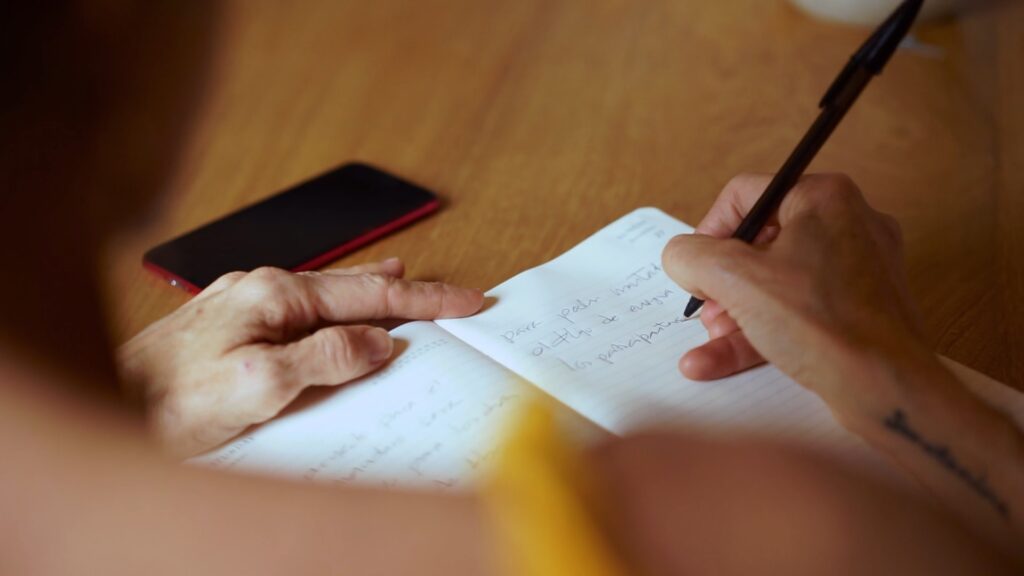
Cut the Clutter
Clutter is anything that does not add value to your writing. It can be extra words, clichés, redundant phrases, or unnecessary information. Clutter can weigh down your writing and make it hard for the reader to follow. To avoid this, be ruthless when it comes to cutting the clutter. Ask yourself, “does this add value to my writing?” If not, cut it.
Be Objective
One of the biggest challenges when editing and revising is being objective. It can be difficult to let go of a sentence, paragraph, or even an entire chapter that you have spent hours writing. However, being objective is crucial if you want to produce the best possible writing. Ask yourself, “does this serve the story or message?” If not, let it go.
Seek Feedback
Another way to hone your editing and revision skills is by seeking feedback from others. This can be from a trusted friend, family member, or writing group. Feedback can help you identify areas of improvement that you may have missed on your own. It can also help you gain a new perspective on your writing.
Use Online Tools
There are many online tools that can help you improve your editing and revision skills. These tools can help you identify grammar and spelling errors, sentence structure issues, and even offer suggestions for improving your writing. Some popular online tools include Grammarly, ProWritingAid, and Hemingway Editor.
Know When to Stop
Knowing when to stop editing and revising is just as important as knowing when to start. At some point, you need to let go of your writing and submit it. Remember, there is no such thing as perfect writing. There will always be room for improvement. At some point, you need to be satisfied with what you have produced and move on to the next project.
Editing and revision are essential skills that every writer needs to master. By taking breaks, reading your work aloud, cutting clutter, being objective, seeking feedback, using online tools, and knowing when to stop, you can transform your drafts into masterpieces. Remember, the goal is not to achieve perfection, but to produce the best possible writing that resonates with your readers.